the Working process
THE FOUR SEASONS in the Chestnut Grove of Castel del Rio
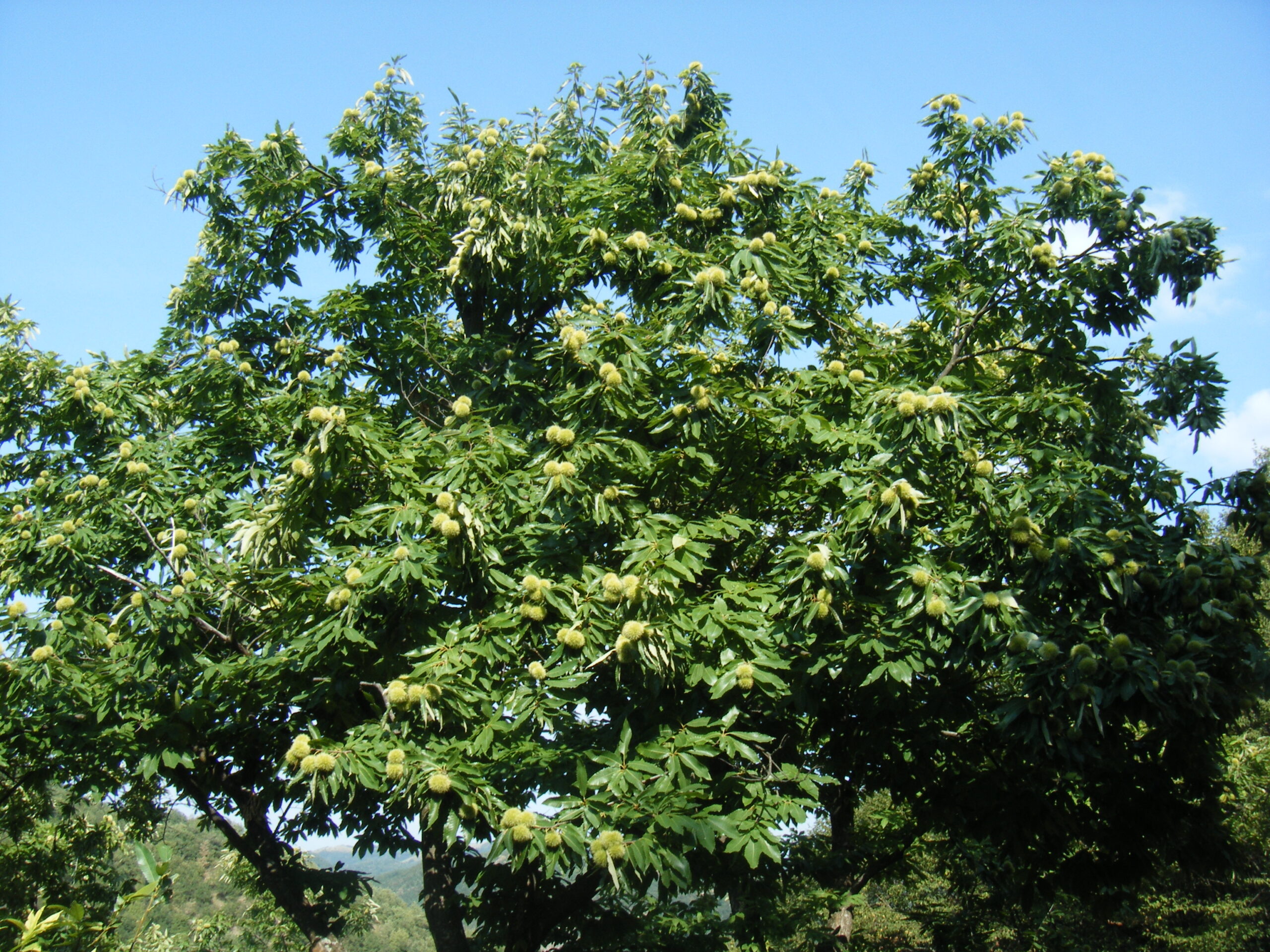
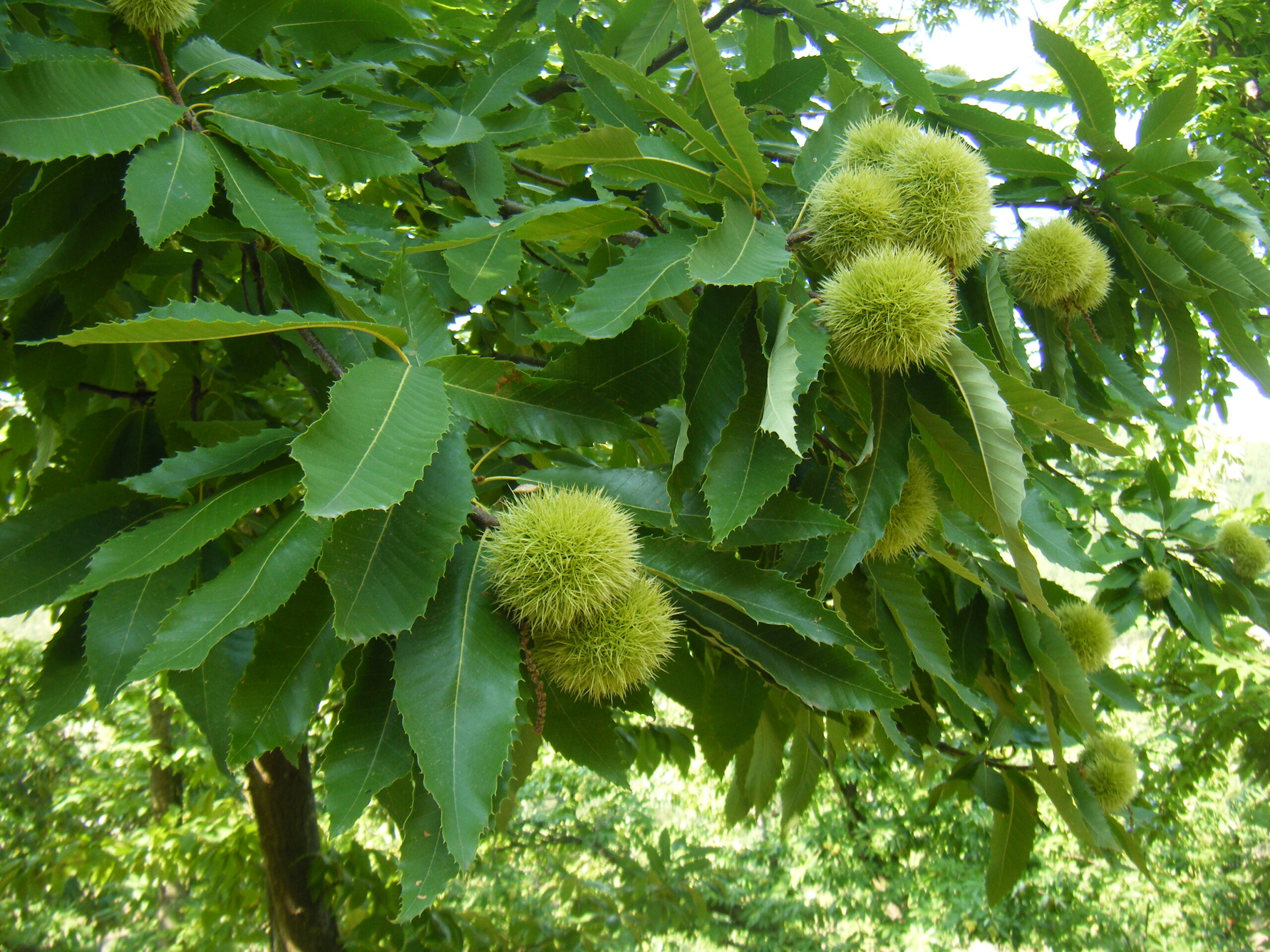
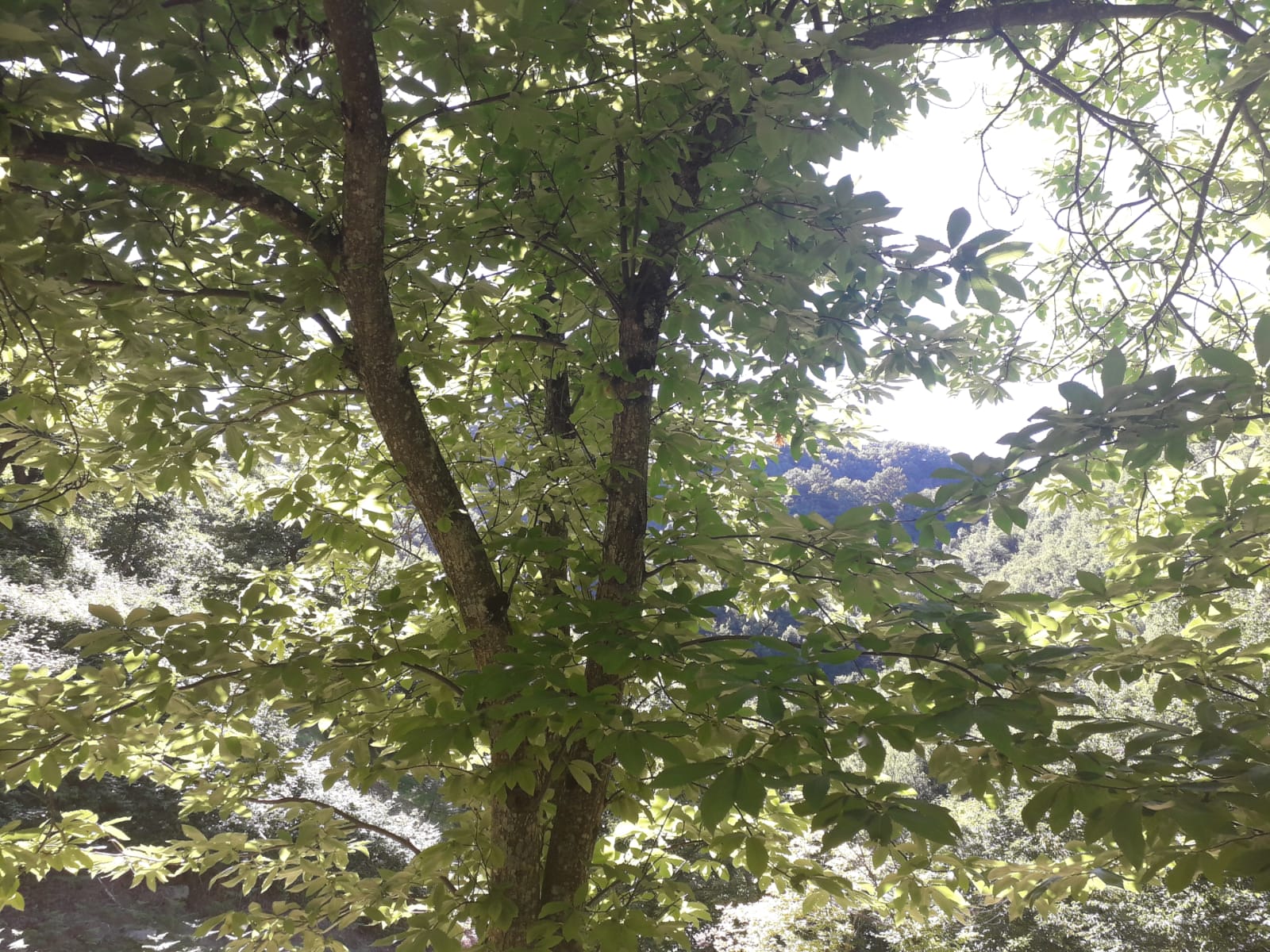
Our traditional centuries-old chestnut grove, absolutely organic, offers a wonderful natural environment, the variability of the landscape, during the passing of the months are unique, with its colors, scents, flavors and offers the best you can imagine.
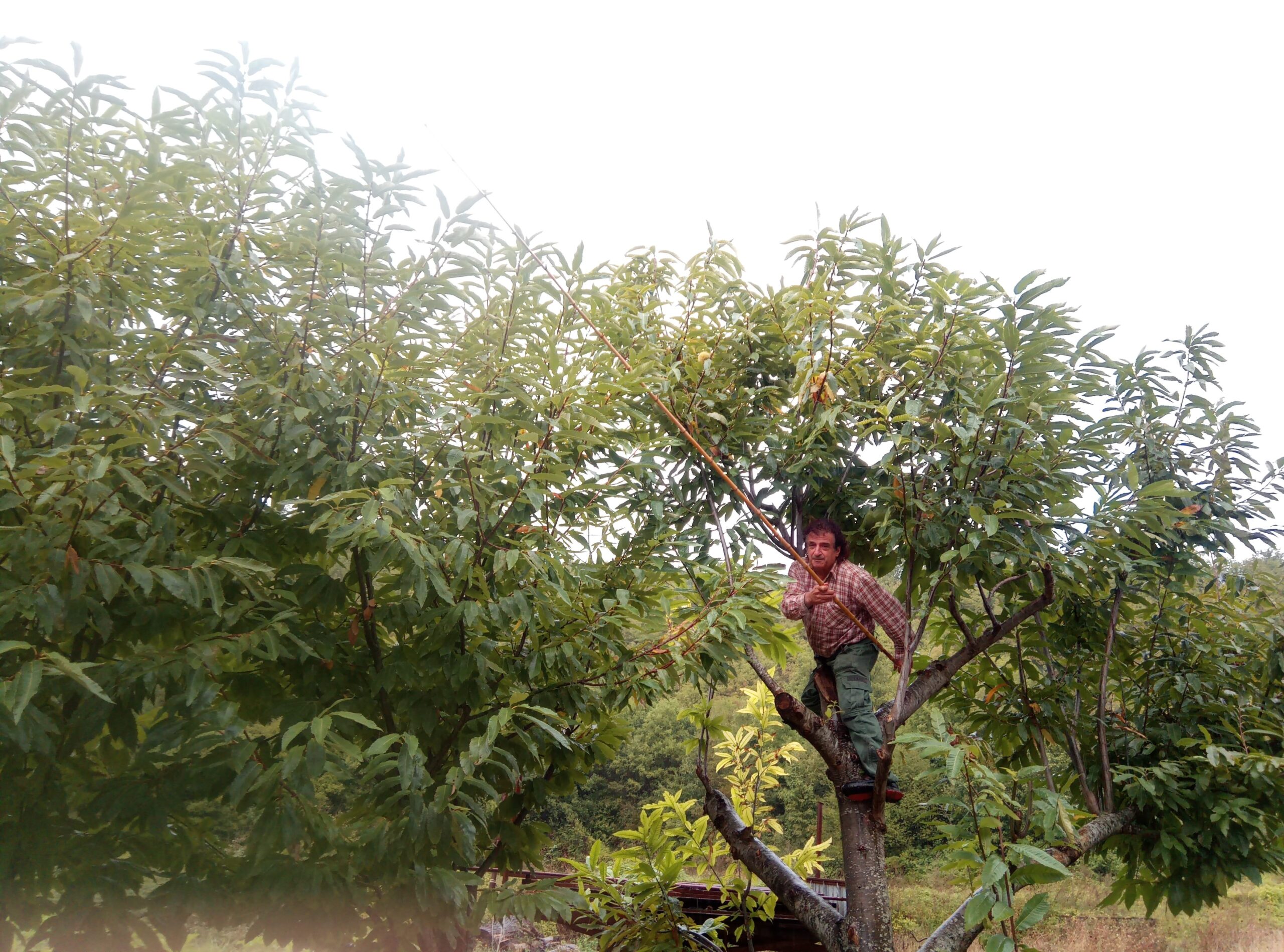
For city people who do not live in chestnut groves, the idea is rooted that our job is only to collect the chestnuts once they have fallen to the ground.
There is nothing more wrong!
In order for the Chestnut grove to bear excellent fruit annually, it requires some interventions to be carried out with due modality and timeliness.
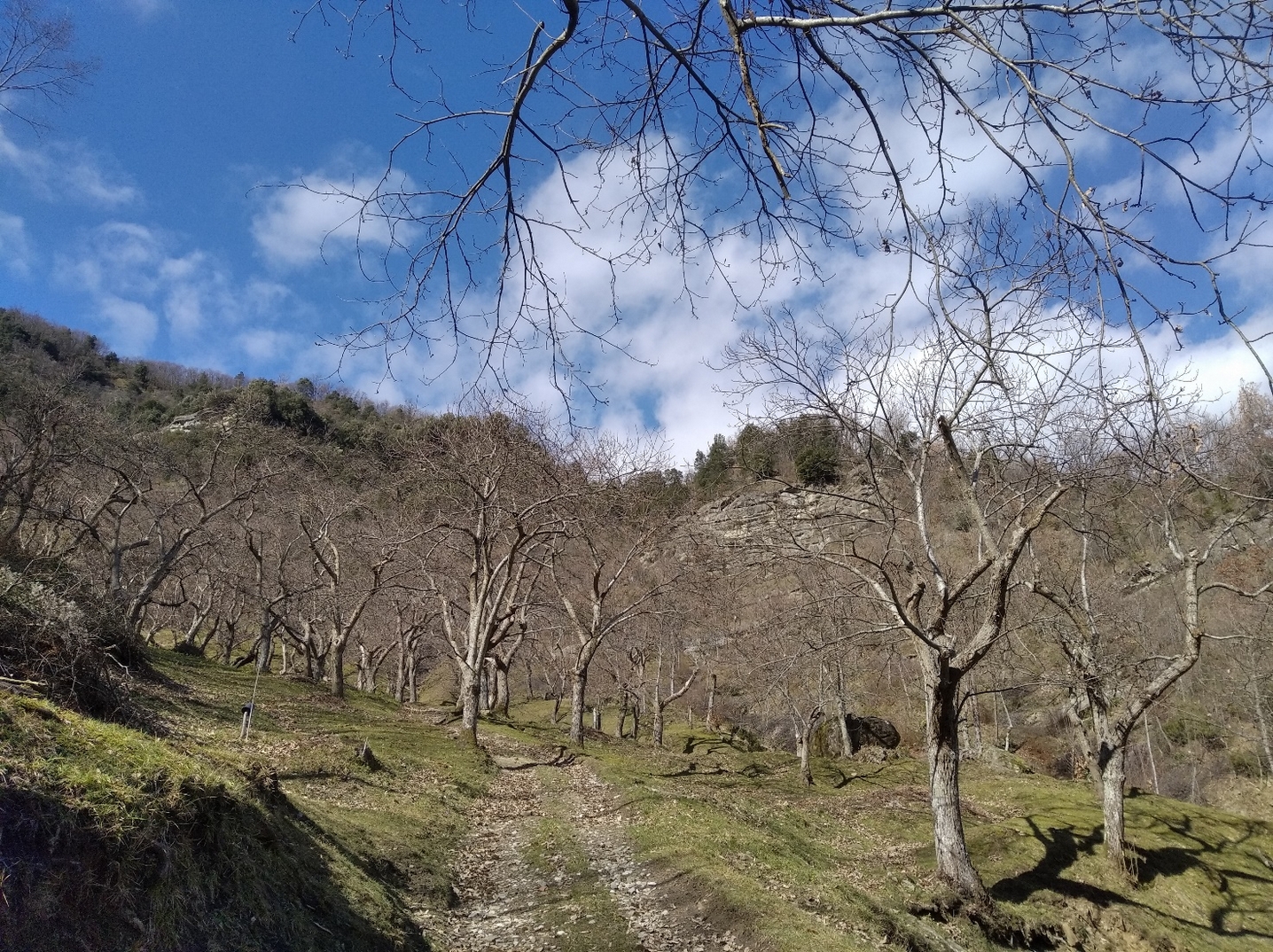
It is essential to make your chestnut grove accessible throughout the year via the road by carrying out periodically:
- Road cleaning.
- Ditch cleaning.
- Water cutters.
- Collection wells.
- Uniform gravel distribution.
- Rasping for any road damage.
WINTER
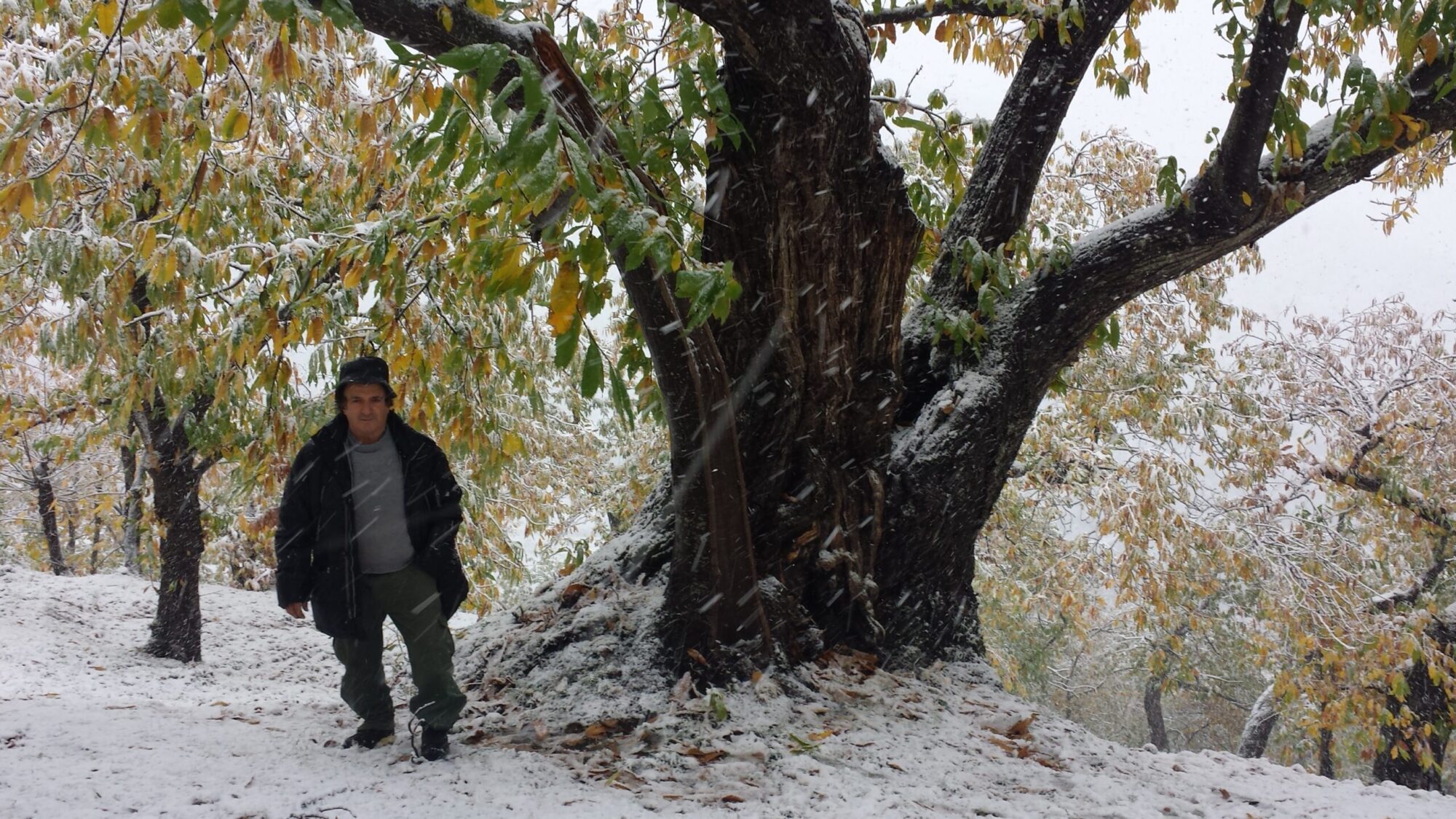
In winter on the large slopes (rarely covered by a brilliant snow cover) the attention is drawn to the giant chestnut trees due to the majesty that reigns among them in the forest.
Well covered we enter the chestnut groves this season we carry out manually:
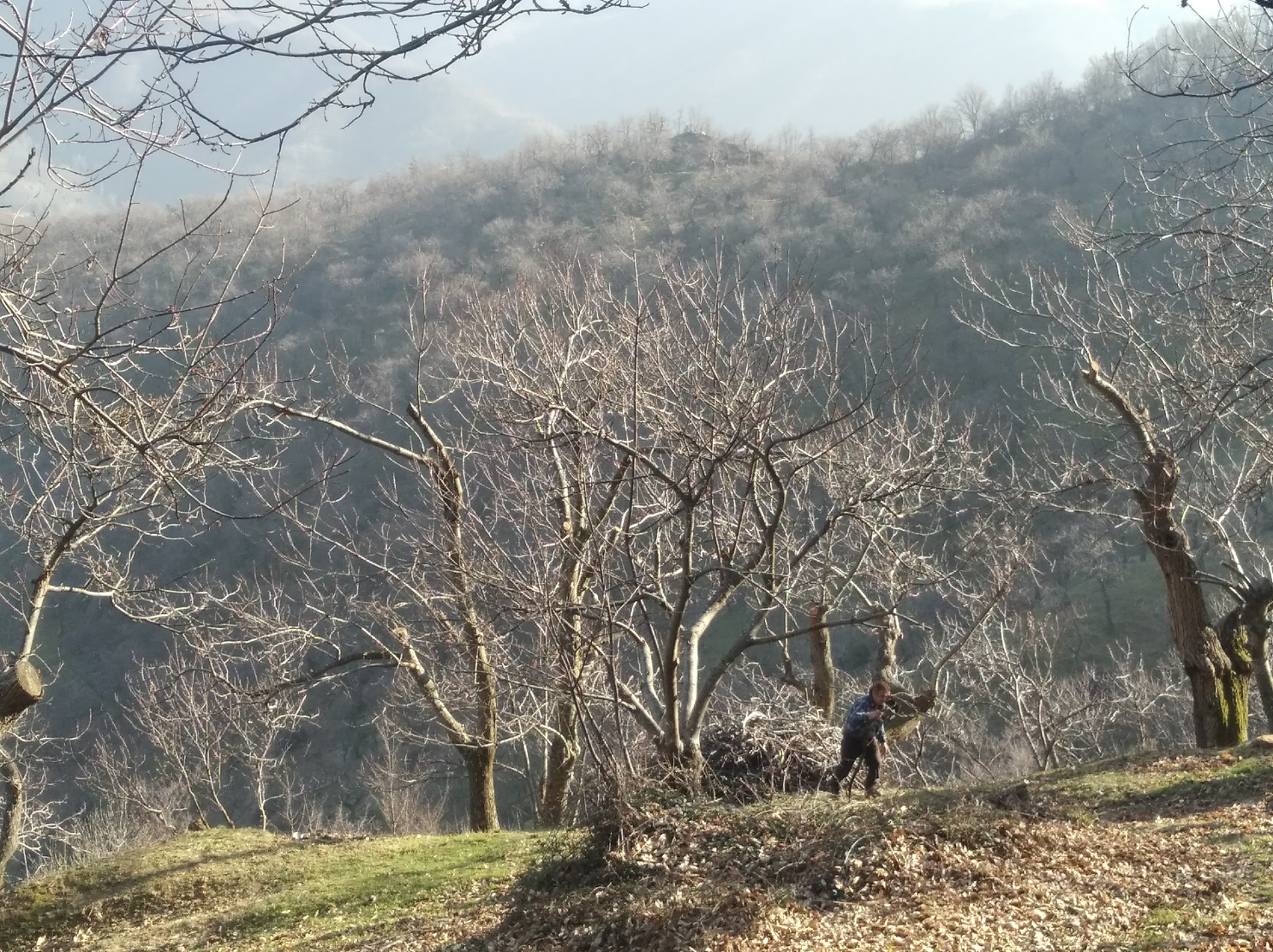
- We carry out the multi-year pruning annually with chainsaws, in the part of the chestnut groves that most need it, in rotation, owning many hectares of chestnut groves. It is an expensive intervention, but it must be carried out to ensure the rehabilitation and rejuvenation of the fruiting canopy, to obtain better quality productions.
- Gather husks and leaves, in small masses: to facilitate the cleaning of the chestnut grove in the summer.
SPRING
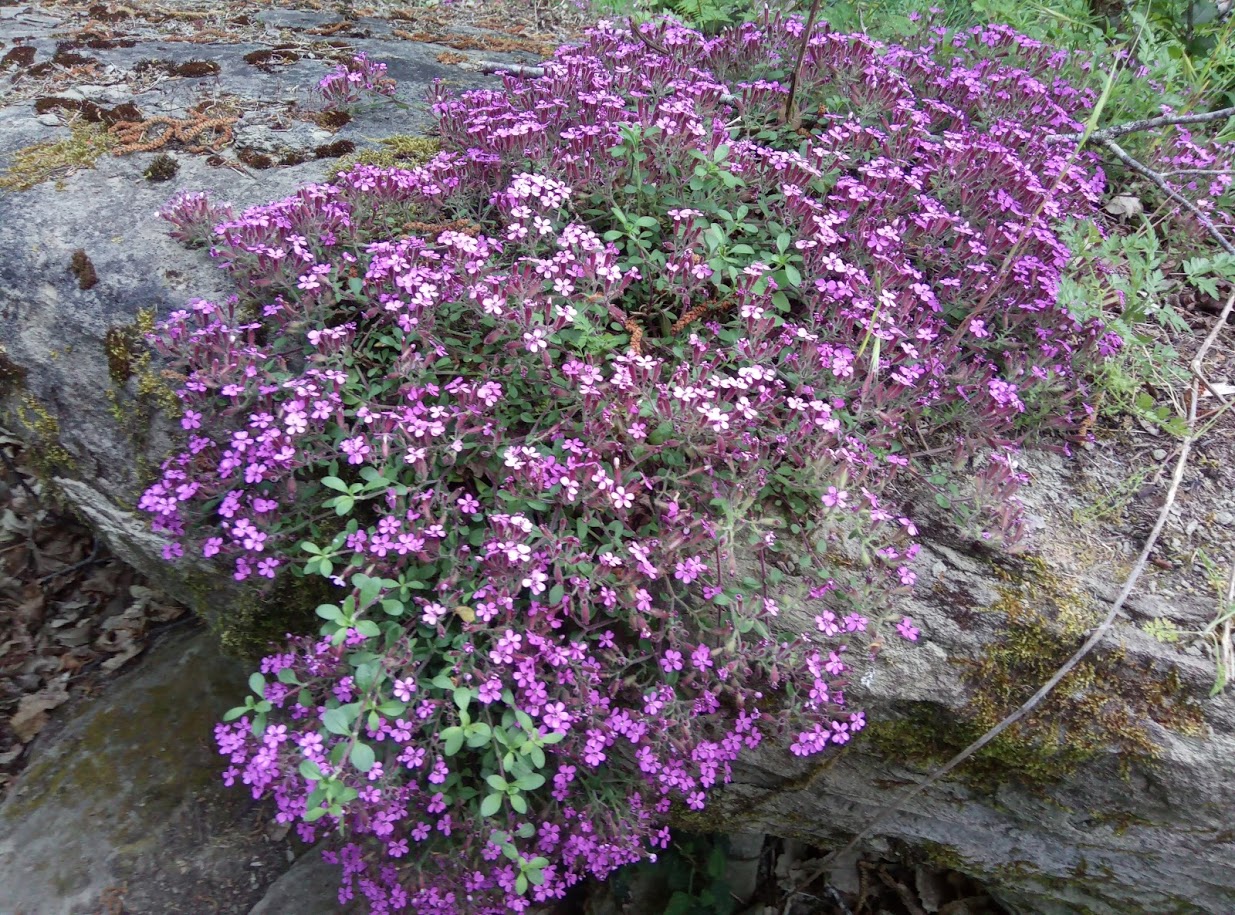
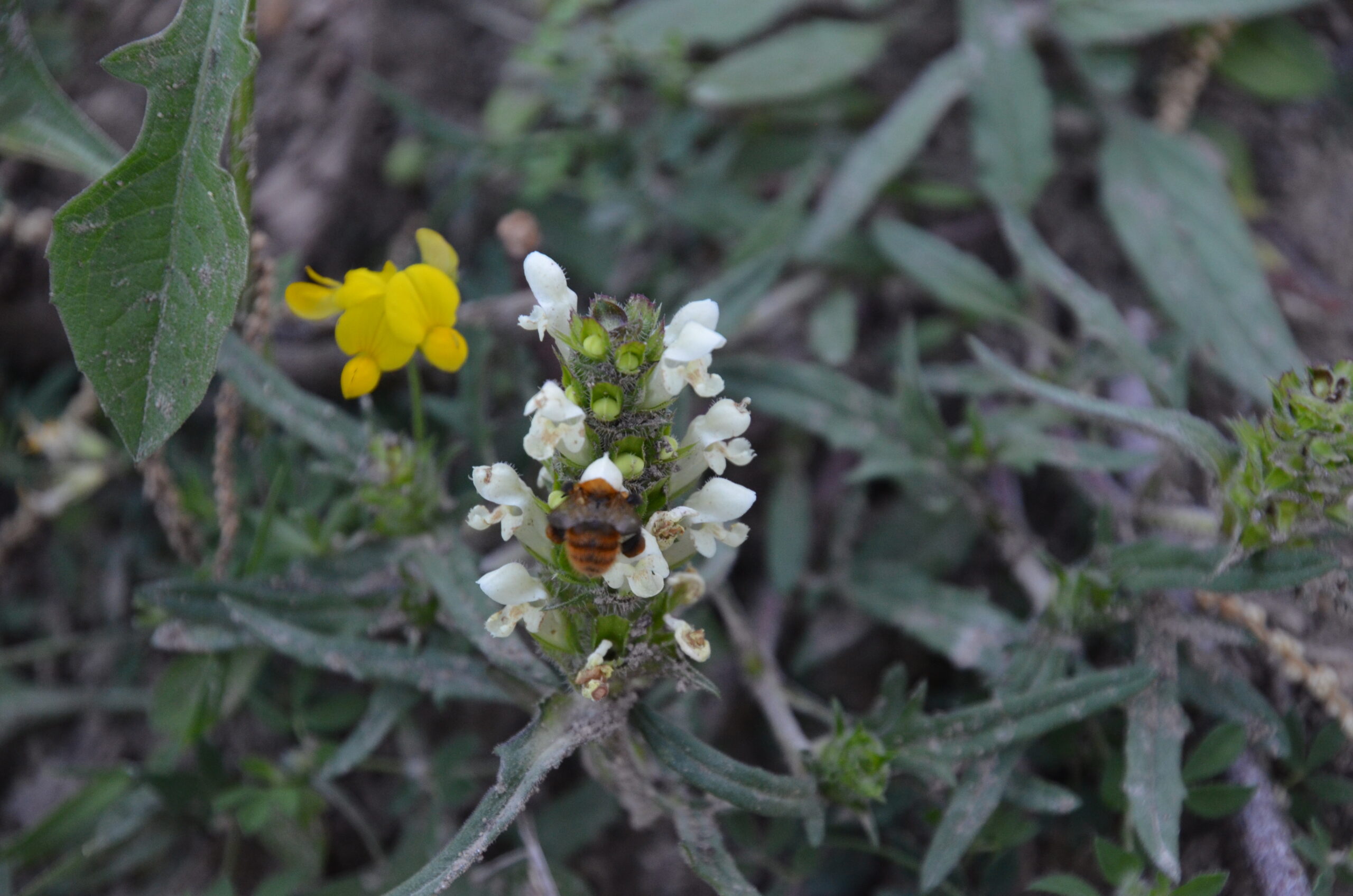
In spring, nuances of colors follow one another thanks to the copious blooms of primroses, violets, multicolored orchids, lilies, blackberries, wild strawberries and many other species and the blooming of the chestnut trees begins, among bees and butterflies.
You enter this paradise for:
- Graft the wild Castel del Rio brown plants.
- Plant small chestnut trees where needed.
- Collect and transport the wood from the winter pruning of the chestnut trees, near our dryer, to be used in the autumn for drying the chestnuts, as was the case in previous centuries.
SUMMER
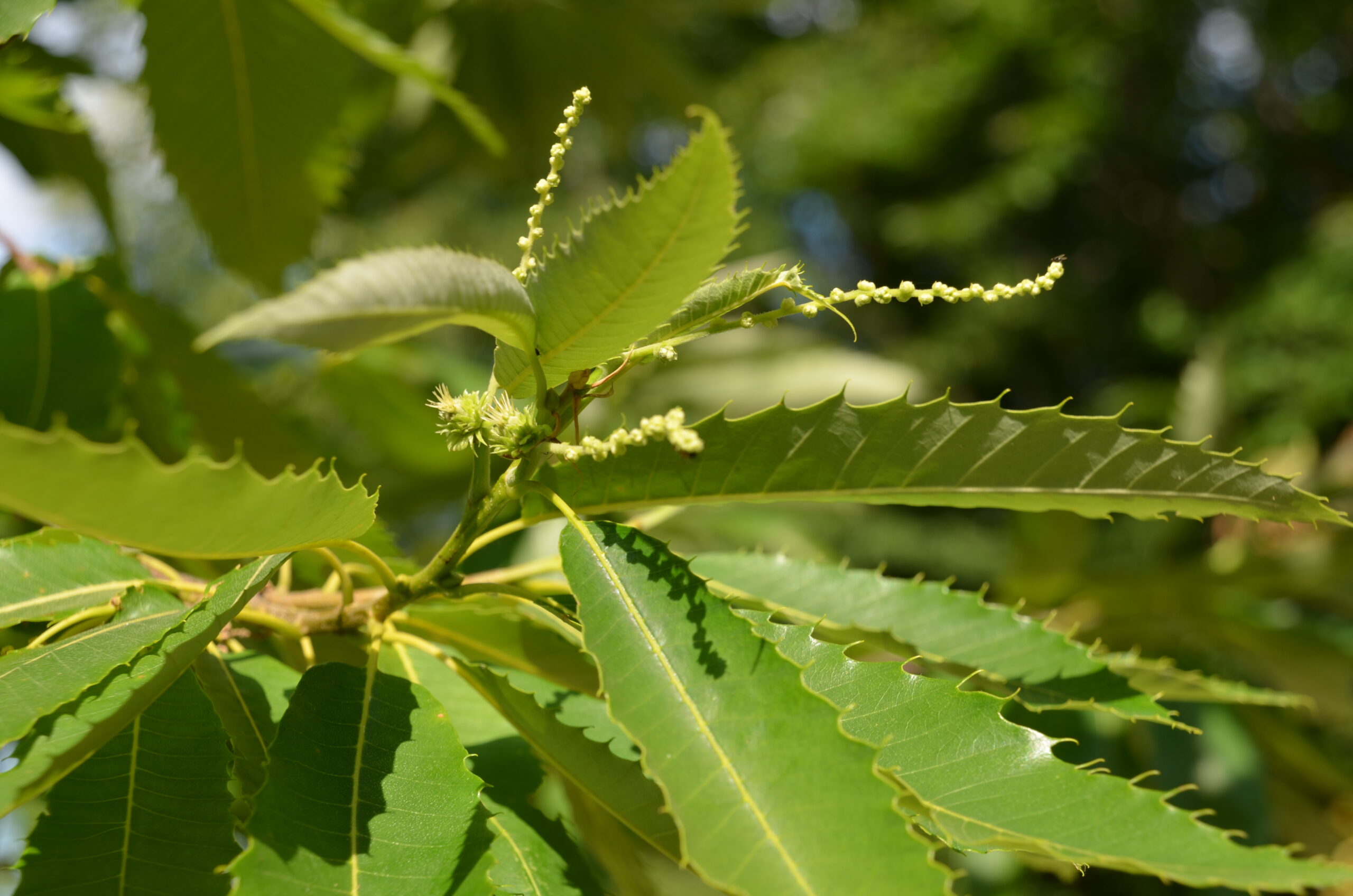
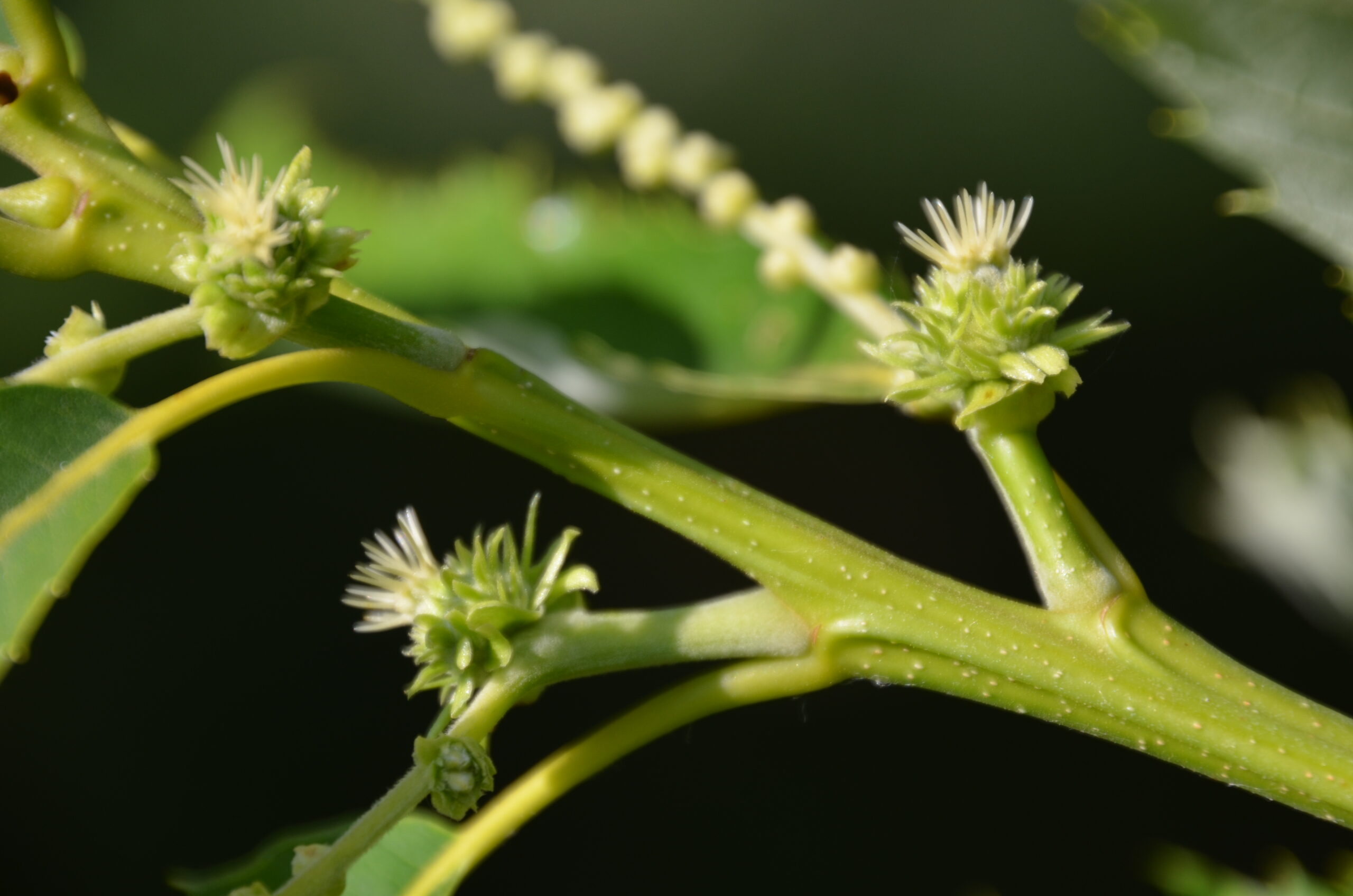
In summer, the abundant flowering of the chestnut explodes, on which a myriad of bees alight for their pollen, creating the delicious chestnut honey.
Bees are the basis for the pollination of flowers, essential for the birth of curls containing the precious browns, but while waiting for them you can savor the delicious and tasty wild strawberries and blackberries rich in aromas and flavor.
In this period we immerse ourselves in the chestnut groves where the operations of cleaning the undergrowth are carried out manually:
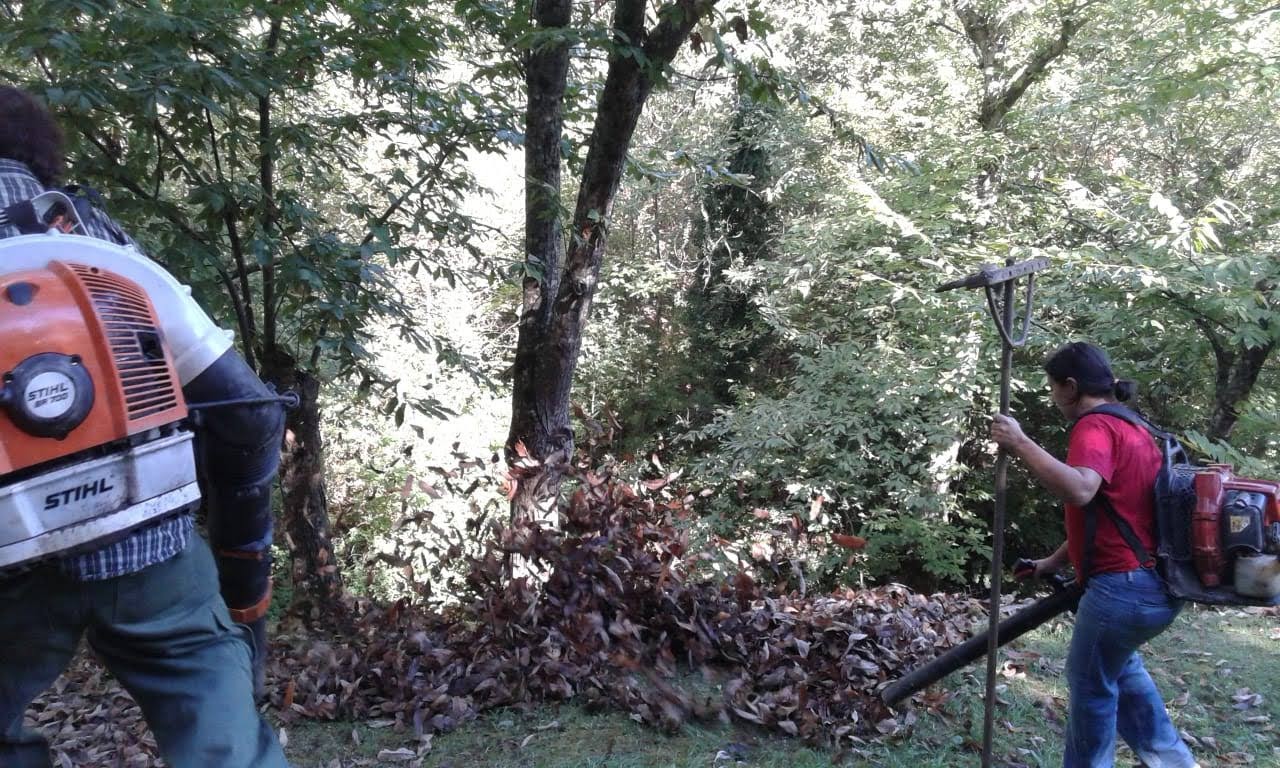
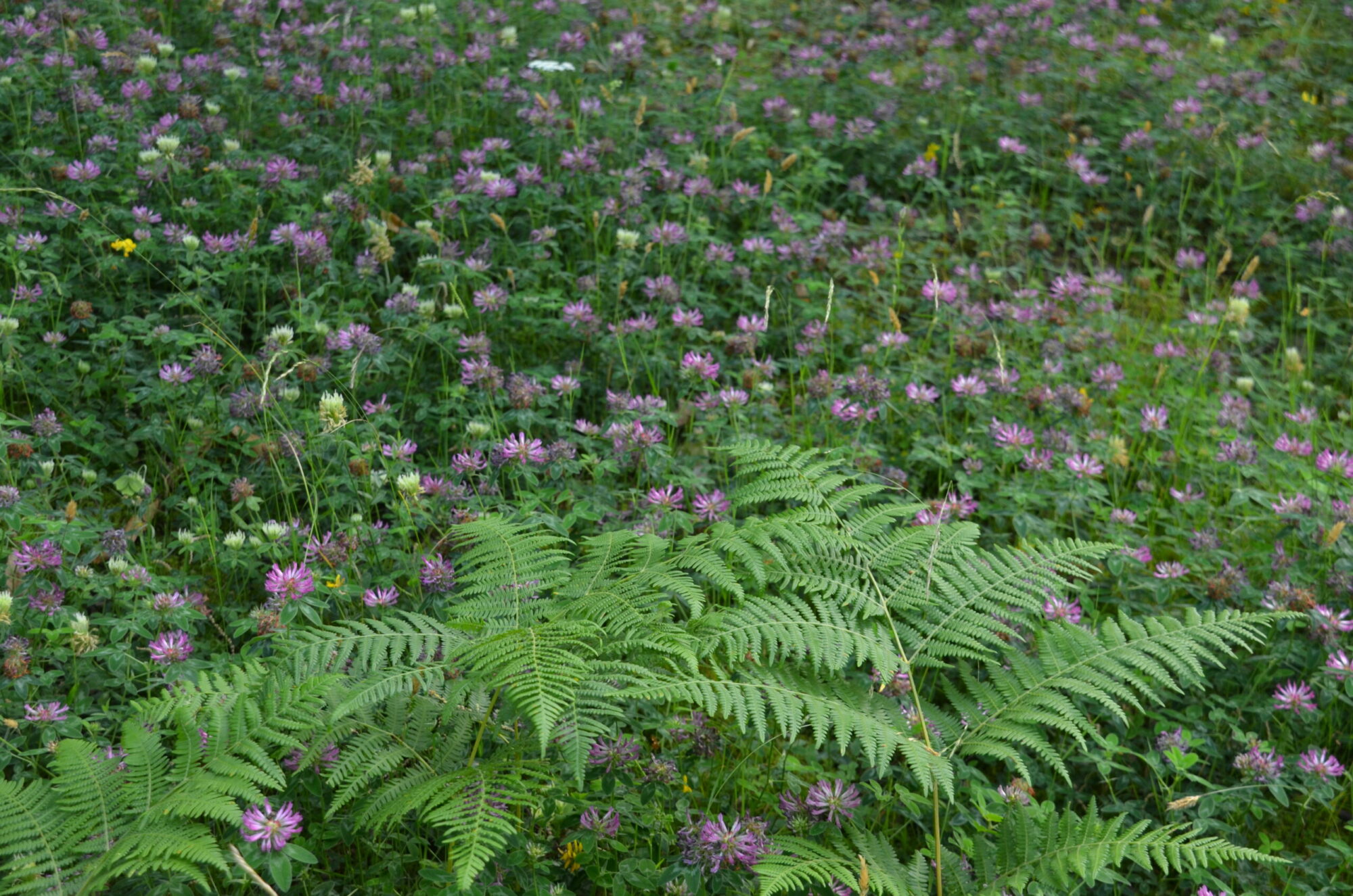
- Annual mowing is carried out with backpack brushcutters due to the steep slopes of the land, to cut ferns and grass from June to September to prepare the land for easy harvesting of our chestnuts.
- Spollonatura is carried out at the base of the plants, it consists in the elimination of the vegetation (suckers) that develop at the base of the trunk (ceppaia) and sometimes also along the trunk.
- The harvesting of the mowing is piled up in the chestnut groves with the help of the rake and the fork to become natural fertilization, essential nourishment for the chestnut groves. The clippings are not burned for the good of the chestnuts, it would be like taking away their lunch.
It becomes absurd to burn. For the ecosystem we absorb carbon.
AUTUMN
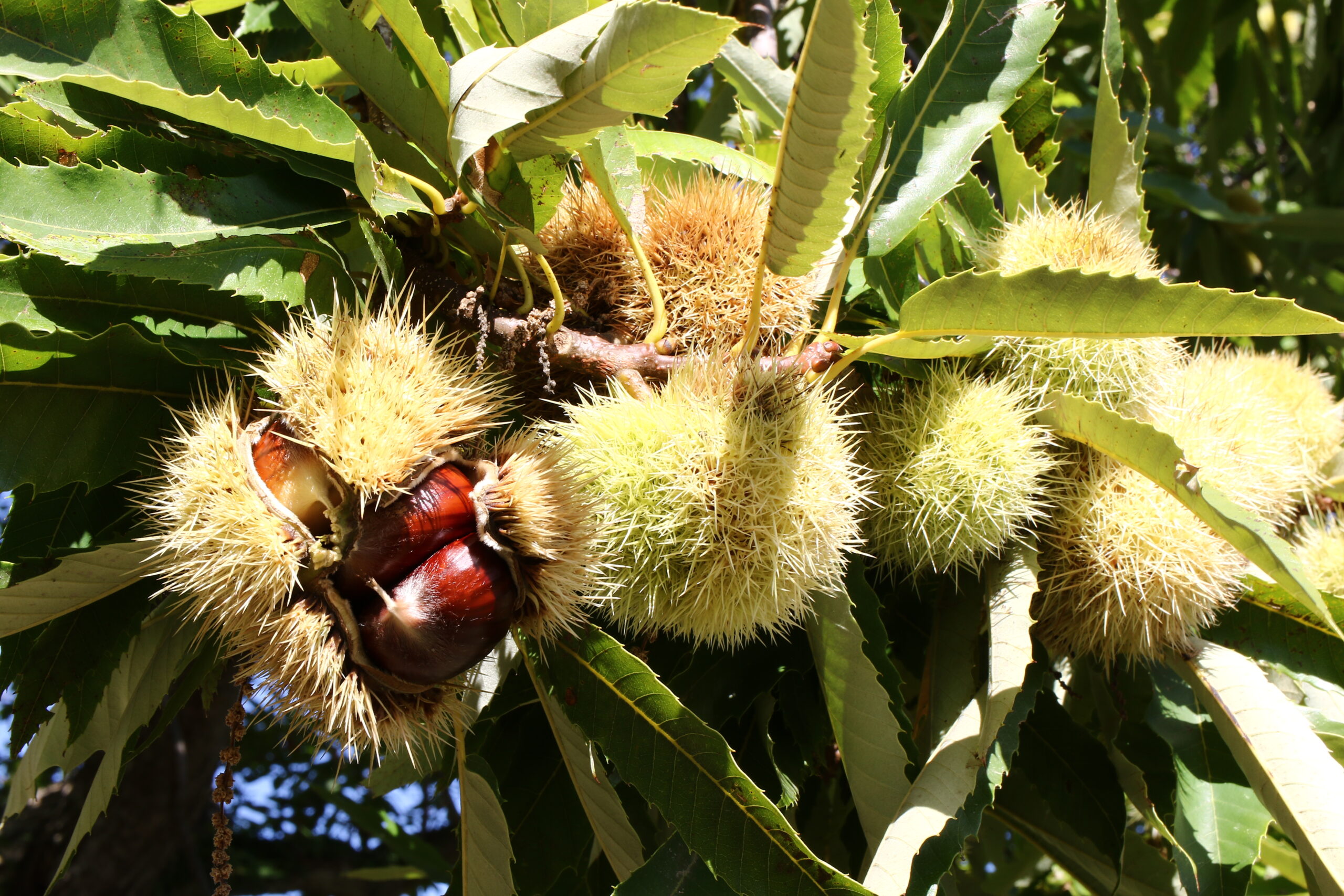
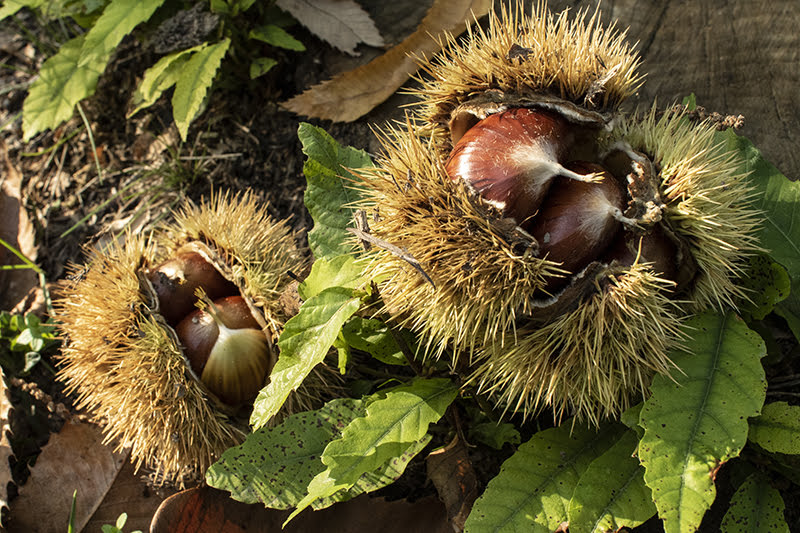
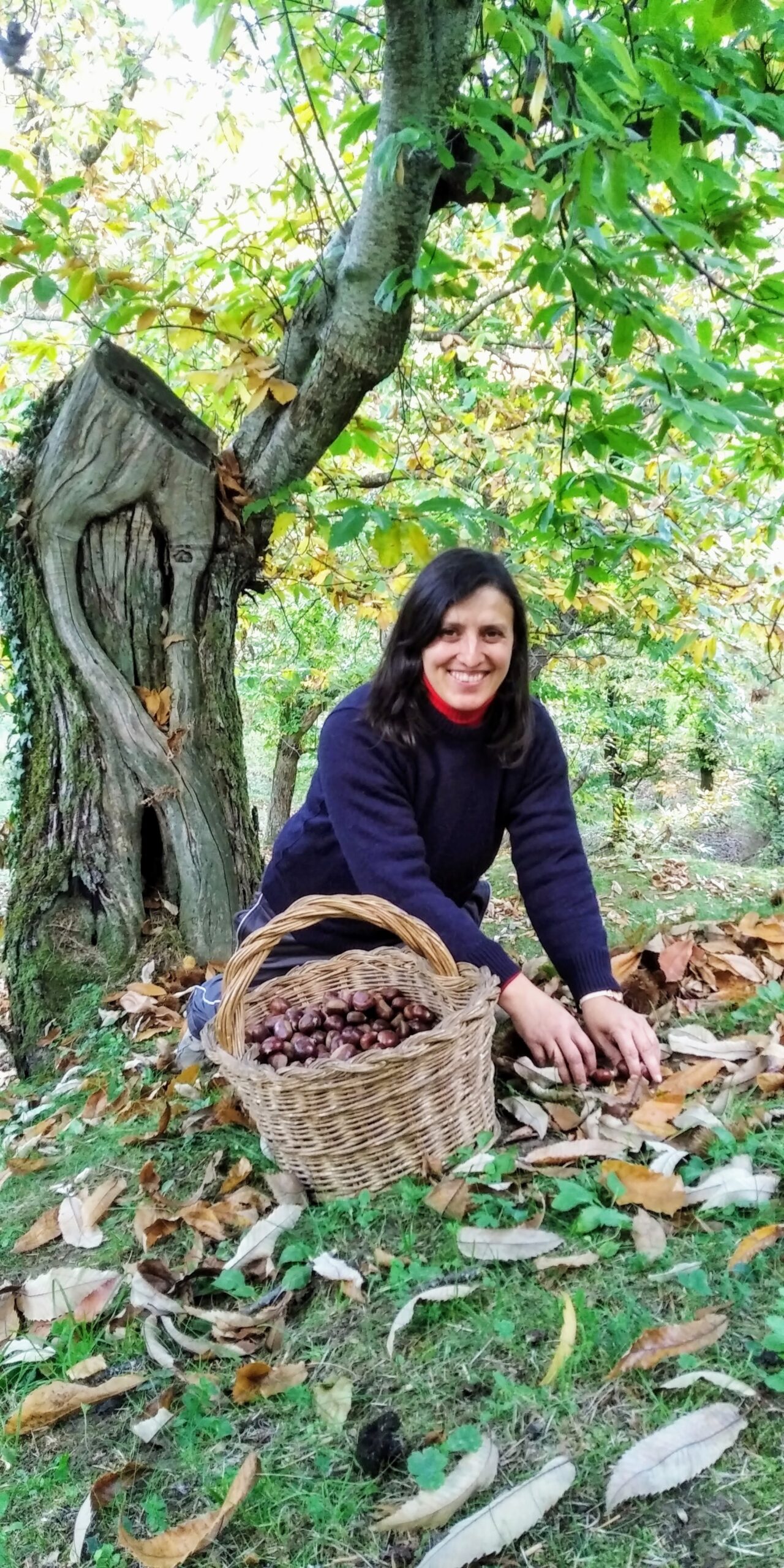
In autumn, the treasure of the Apennines appears resting delicately on the turf, with its brown color it stands out among the green, and looking up, it peeps inside the curls.
With pleasure in October you enter the chestnut grove to grasp the treasure of the Apennines:
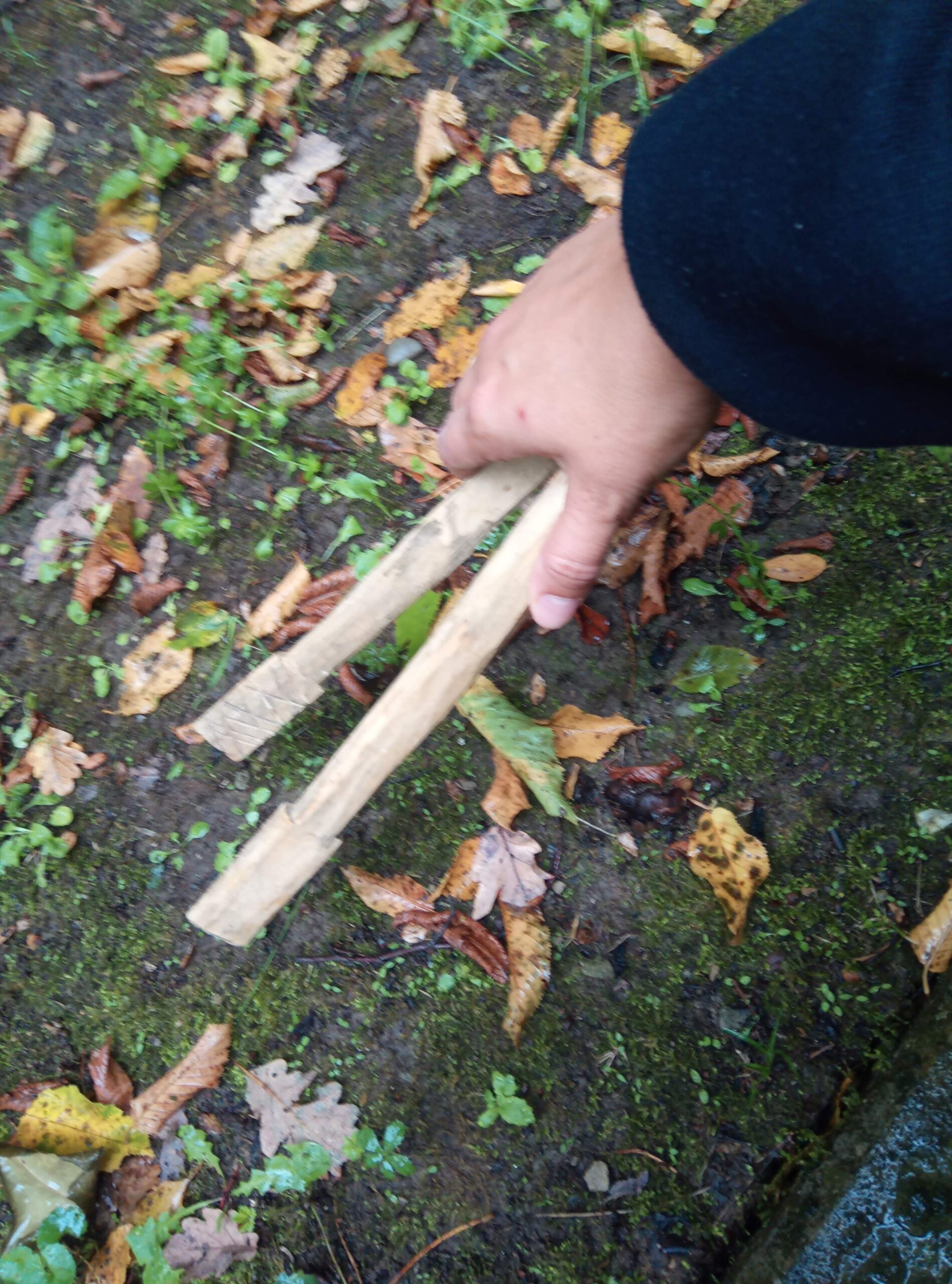
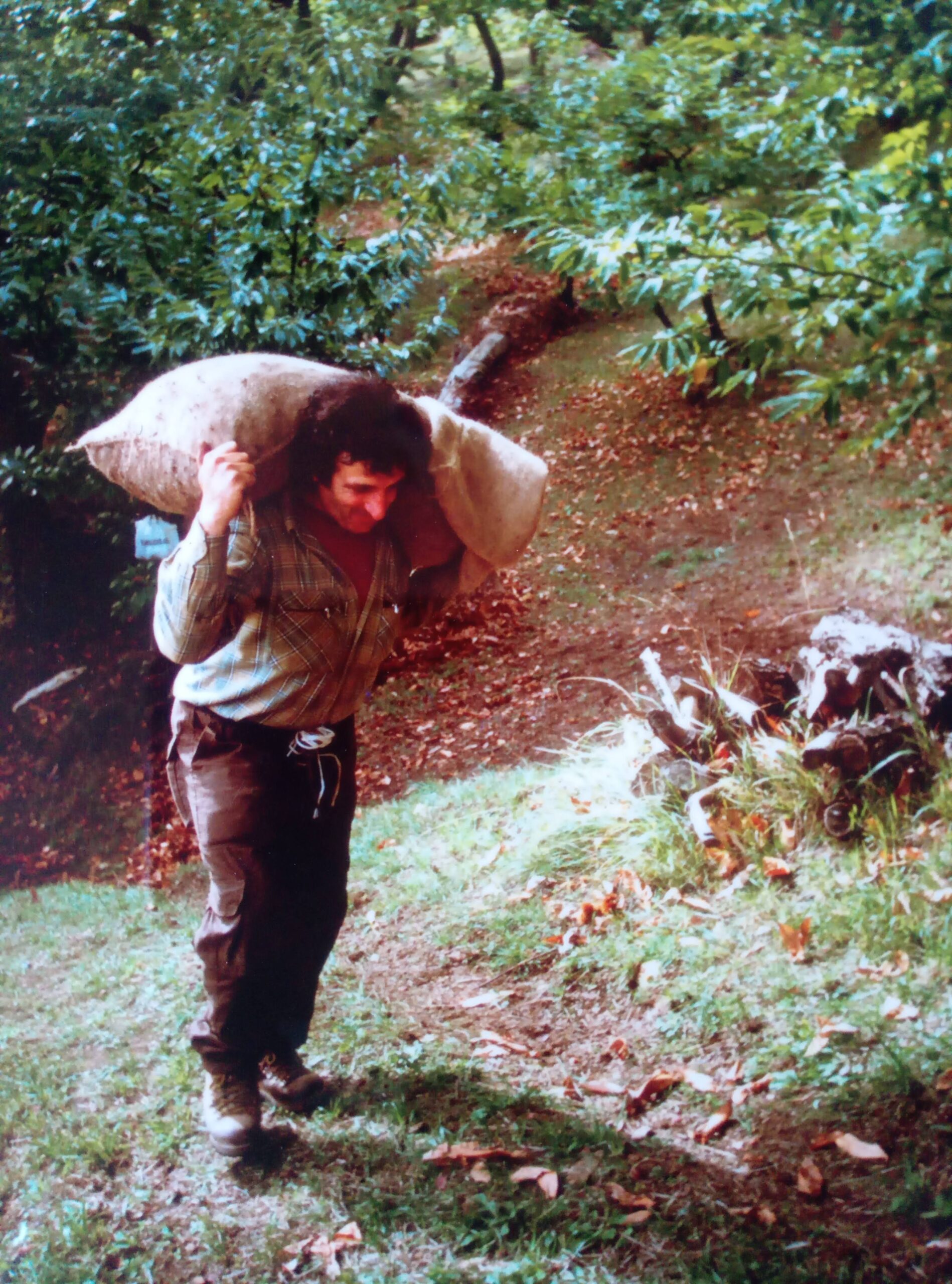
- The harvest takes place exclusively by hand, with fruits that have fallen to the ground naturally, as the ripening of the fruits coincides with their fall from the plant, it is gradual, over a long period of time, for this we carry out several passes, in order to immediately collect the fresh brown just fell. We place the chestnuts in baskets, which are poured into large jute sacks, which are loaded onto the tractor-drawn cart, to be taken to the nearby warehouse.
It’s time to enter our warehouses among the chestnut groves in October, November and December to carry out the necessary processes, all at zero km, with renewable energy, from fresh brown up to the fragrant, sweet and delicious flour, we directly carry out all the operations up to the packaging of each product, so as to best respond to the various needs of customers.
The freshly harvested chestnuts are immediately processed on the same day.
To guarantee chestnuts of the highest quality, each phase of the production process carried out is simple and healthy, the basis of our tradition and we follow them with care and attention:
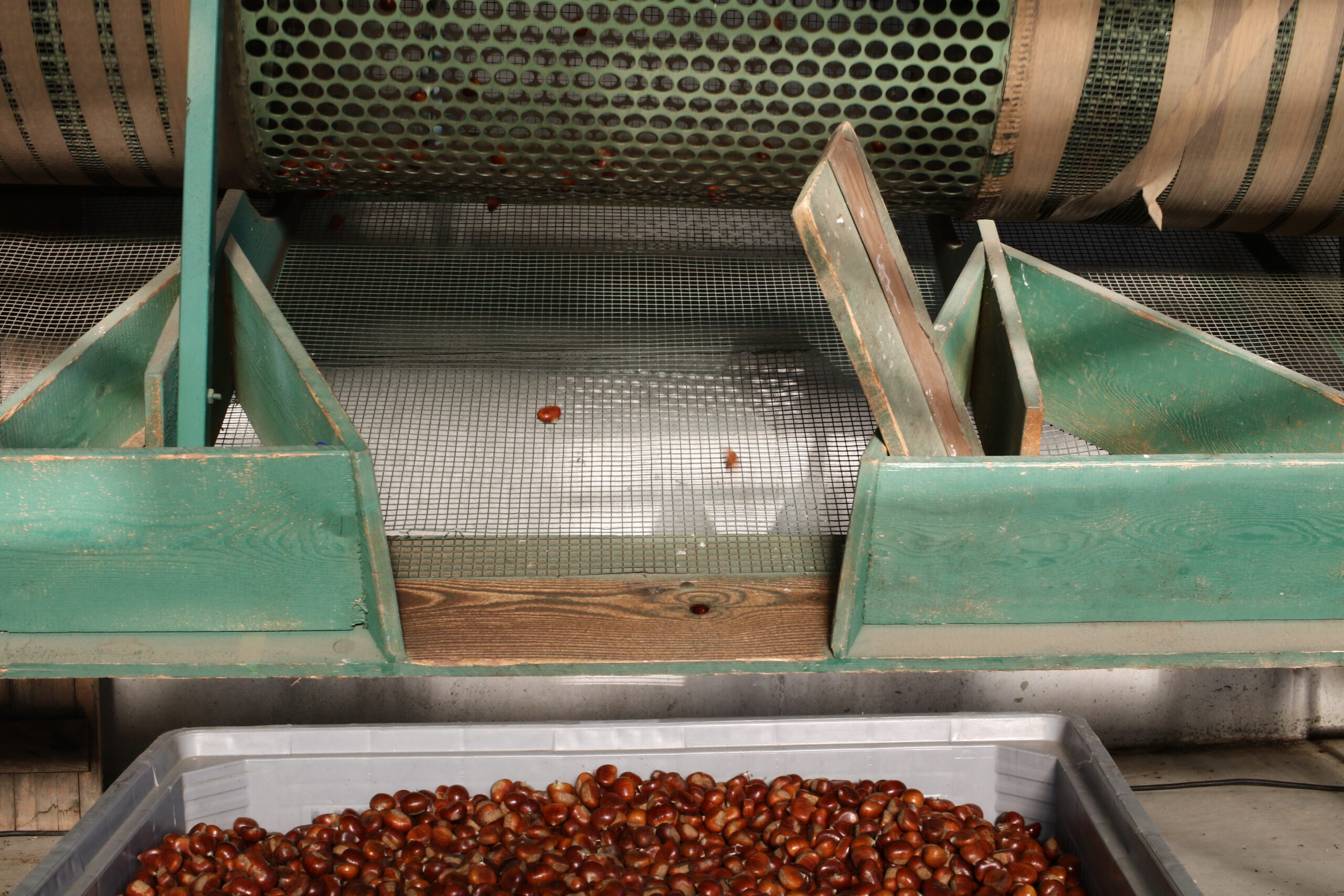
- The sorting is manual, the browns are viewed and the non-compliant ones are removed and transported to the sorter that divides the browns by different sizes from the smallest to the largest.
- Control and packaging of the fresh processed chestnut.
- Curing in a completely natural way: it consists in immersing the chestnuts for the necessary time in fresh water, then they are removed and dried in wooden containers. This process ensures that the shelf life of the fresh product is extended.
- Control and packaging of treated browns.
- Drying of the chestnuts, with the traditional method, takes place in the dryer, and it is a long and very careful process, with the heat of our chestnut wood, at a low temperature which ends in about 40 days, to keep the nutritional and organoleptic value of the chestnut unaltered. fruit remaining a raw and gluten-free product to obtain excellent dry chestnuts.
- Beating is carried out as soon as the drying process is completed, it separates the fruit from the peel and skin.
- Manual sorting for careful quality control.
- Checking and packaging dry brown.
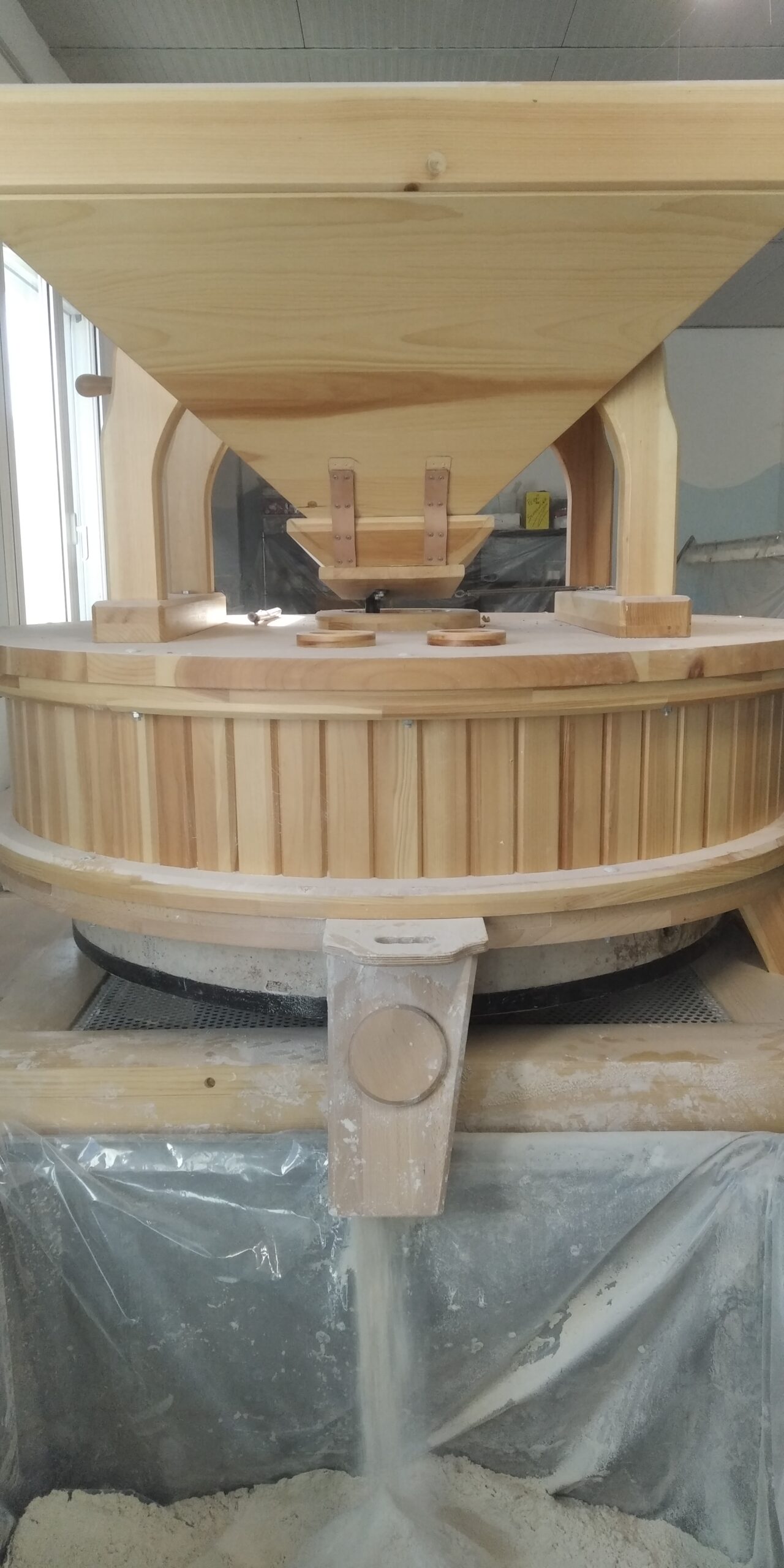
- Stone milling of a part of the dry chestnuts, as per tradition, to produce a high quality flour. The production process does not heat the product to maintain the nutritional and organoleptic value, remaining a raw and gluten-free product.
- Brown flour control and packing.
- Storage in cold room for the best maintenance of the product.