In the months of October, November and December you can also buy our FRESH chestnuts while stocks last. Shipments are made on Monday for orders arrived by Friday at 12:00 Dismiss
farm company IL REGNO DEL MARRONE DI RONTINI SERGIO E MONIA
QUALITY, SAFETY AND ANCIENT ROOTS
Over 60 years of organic passion, quality and experience for our IGP chestnuts.
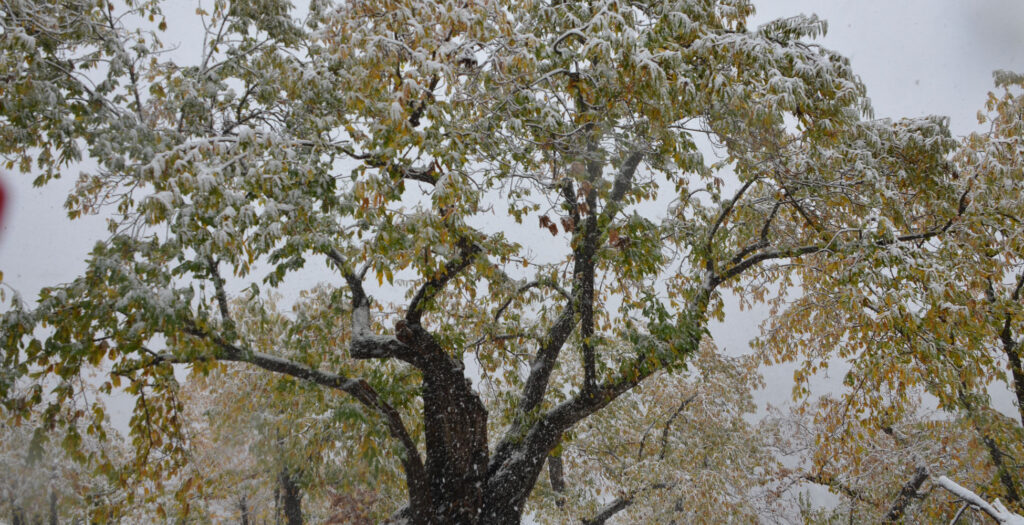
Our organic chestnut groves are perched in the Tuscan-Romagnolo Apennines, in the Municipality of Castel del Rio, at an altitude ranging from 400 to 700 m. in soils of considerable slope, where many centuries-old chestnut trees rise, land of the precious “Marrone di Castel del Rio IGP“.
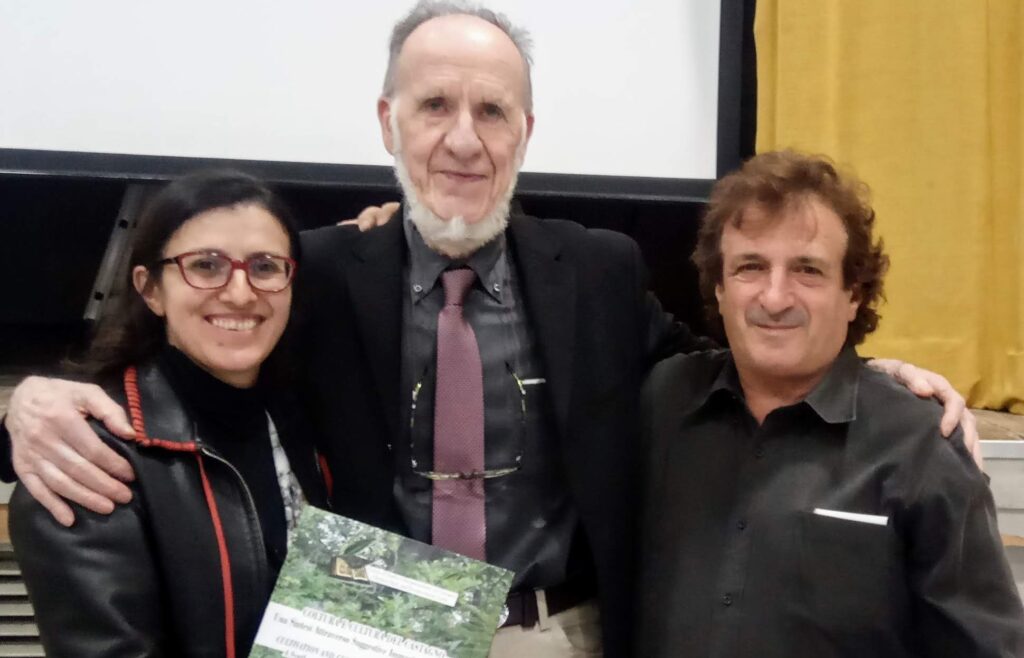
The family farm specialized solely in cheastnuts for over four generations, obtains certification in 1957, previously it was always involved in cultivating chestnut groves with care and love, passing on good agricultural policies, gaining countless experiences and knowledge, currently it is owned by Rontini Sergio and his daughter Monia who continues the family tradition.
PASSIONS AND VALUES THAT FLOW IN OUR VEINS
The passion for chestnuts is intrinsic in us
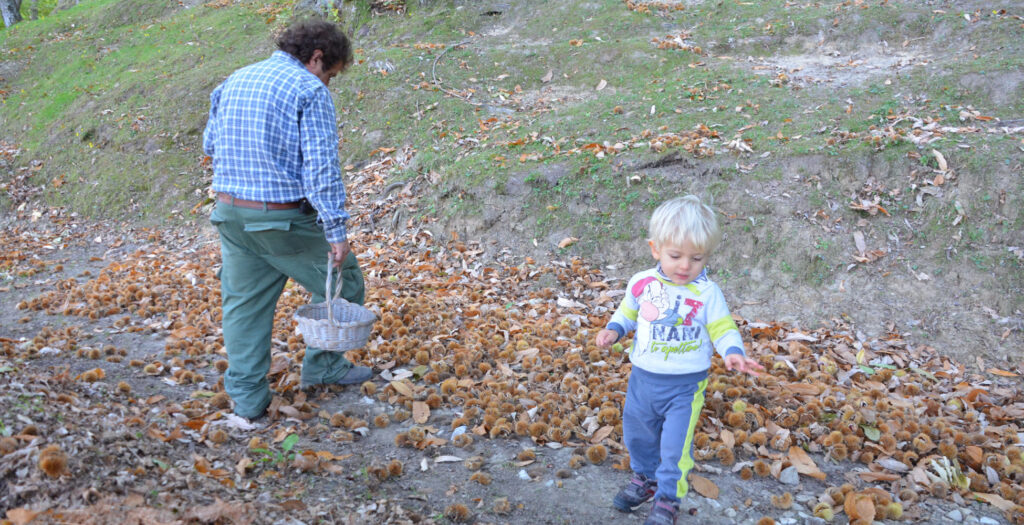
Since childhood with the love for nature, the peace that can be touched in a paradise of colors, scents and flavors, immersed in the fascinating monuments that breathe … our centuries-old chestnut trees … emanate energies, they watched us while we took care of them and they gave us their delicious, tasty and nutritious fruits so that we too would remain attached to our roots forever next to them.
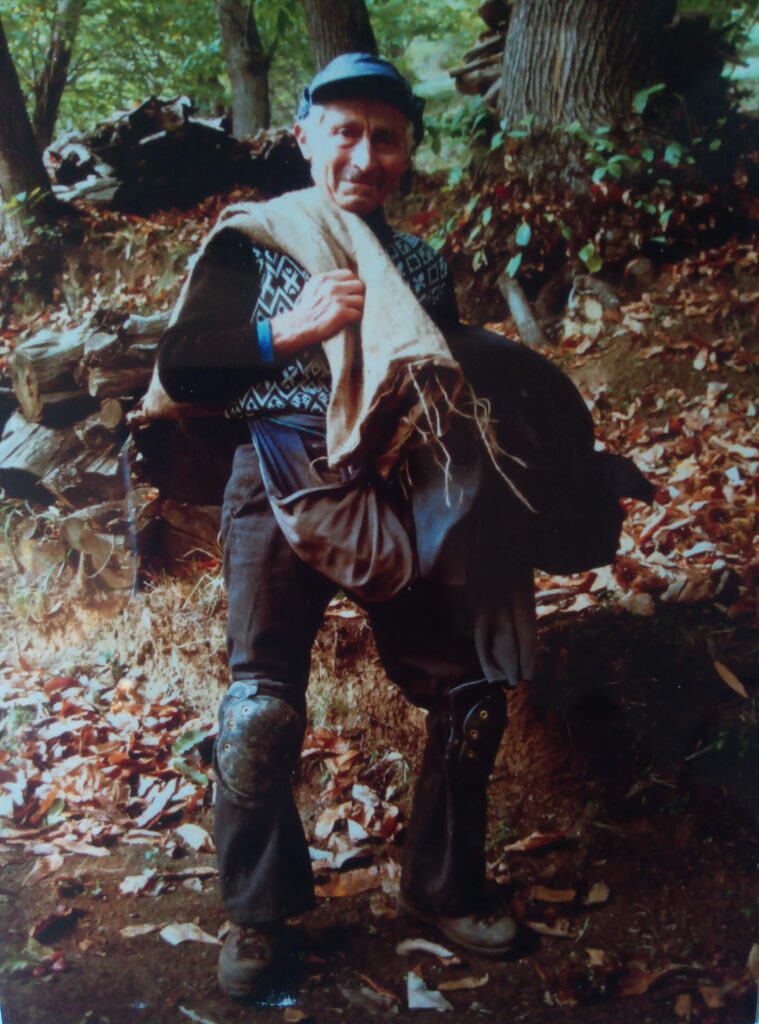
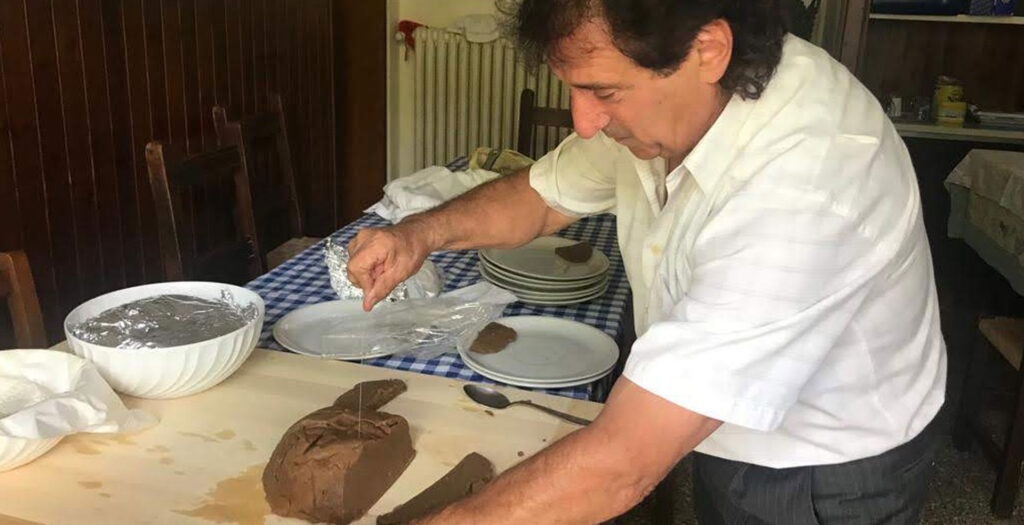
The grandparents say that “the chestnut plant is the bread tree”, which has fed entire generations, it is exciting to listen to those who really lived in symbiosis with the Apennines, for them the chestnuts was a source of real sustenance they used it during all periods of the year: the chestnut flour was pressed and stored in the cupboard from which a small square was cut every day to make the chestnut polenta that gave the energy to work the land.
Chestnuts are a real resource for health, it is a gluten-free food, with calories comparable to cereals (180 Kcal per 100g.), rich in mineral salts (potassium and magnesium), rich in vitamin C.
Preservation techniques make it possible to consume chestnut-based products all year round.
RELIABILITY AND CERTIFIED TRANSPARENCY
The safety of high quality products
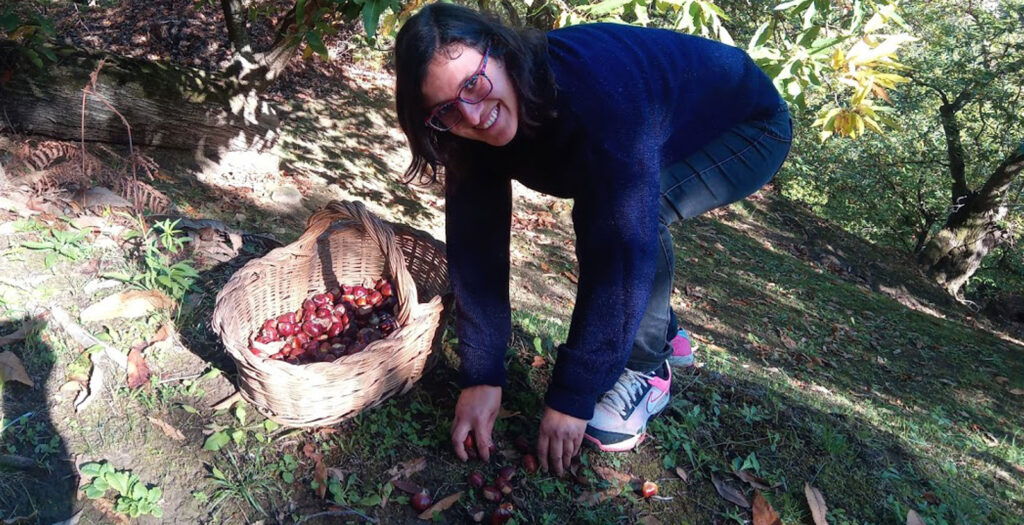
Our farm takes care of the entire production process, with passion and professionality to create products of excellence, with ancient gestures we carry out and follow all the work by hand from the pruning of the chestnut groves, grafts, introducing new plants where necessary, cleaning the undergrowth, chestnut harvesting, drying in the metate at low temperature with the heat of chestnut wood, slow stone grinding and packaging, to bring goodness and smiles to your tables.
The company has its own warehouses, immersed in the chestnut groves, in order to carry out a zero km processing.
Our 100% homemade products, processed by us, are guaranteed Gluten Free, Organic, Vegan raw food.
The farm is on the organizing committee of the Bolognese Apennine Biodistrict, for the revitalization of the rural area, collaborates with the Region and the University.
Currently active in the regional rural development program in the operational groups of the European partnership for innovation “productivity and sustainability of agriculture” project AGRI-FORESTER guidelines for sustainable management, enhancement of ecosystem services and carbon sequestration in the forest system Emiliano-Romagnolo.
It carries out upgrade courses, participates in conferences, webinars and fairs.
Rontini Sergio is vice president of the Castel del Rio Chestnut Consortium.
Monia Rontini is in the group of “consultants” of the Regional Castanicolo Table, in the Board of Directors of the National Chestnut City Association, in the Women Fruit and Vegetables Association and in the Women in the Field Association.
RESPONSIBILITY AND SUSTAINABILITY FOR THE ENVIRONMENT
Our commitment to the environment
The expression “you don’t throw anything out of the chestnut” is also valid in the care of the chestnut wood for the different processing phases, from mowing, collecting the grass, leaves, curls and twigs piled up in heaps, left in the ground year after year, decomposing, creating the fundamental food nourishment for the chestnut tree and for the ecosystem.
Chestnut pruning is used in the drying cycle also using the peel of chestnuts, once peeled after drying.
The farm is organically run and therefore does not use chemicals that produce residues in the environment and in particular in the soil and uses biological control.
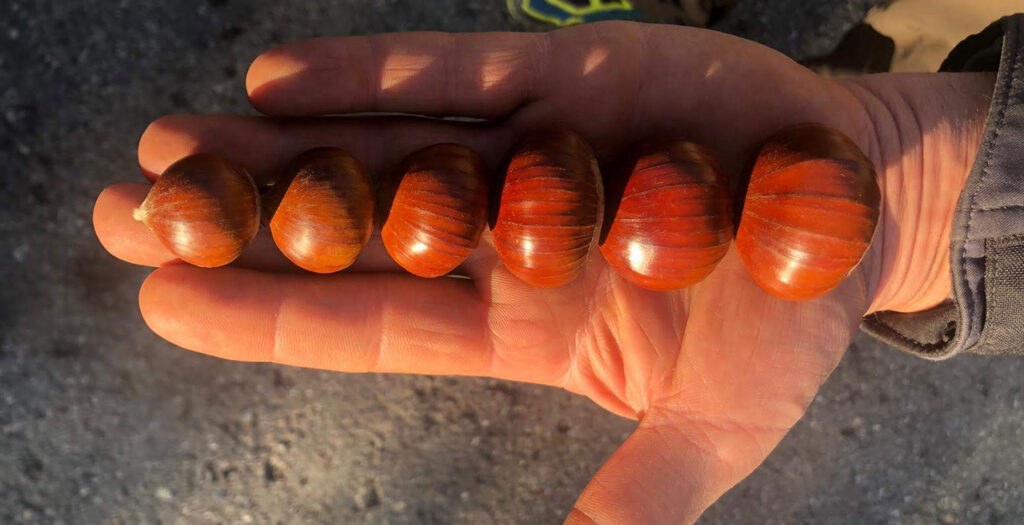
The chestnuts of different sizes and qualities are intended for different uses: those of larger size intended for the fresh market, those of smaller size intended for drying, for the production of flour and for further food uses.
Lower quality chestnuts are discarded from the processing cycle and destined for the market of flours for animal feed.
WE USE RENEWABLE ENERGY AND SEQUESTRATE CARBON
For a low environmental impact production system
The production system has a low environmental impact using renewable solar energy.
The company invested in renewable energy, for love to the environment in 2010. We absorb around 200,000 kg of CO2 each year with photovoltaic systems, which is equivalent to what a tall forest consisting of 10,000 trees can absorb.
Our management of the chestnut grove is sustainable and we apply particular attention to favoring the sequestration of carbon in the chestnut system by not burning and favoring a good herbaceous cover.
SUPPORT AND SHELTER OF BEES AND BIODIVERSITY
For a low environmental impact production system
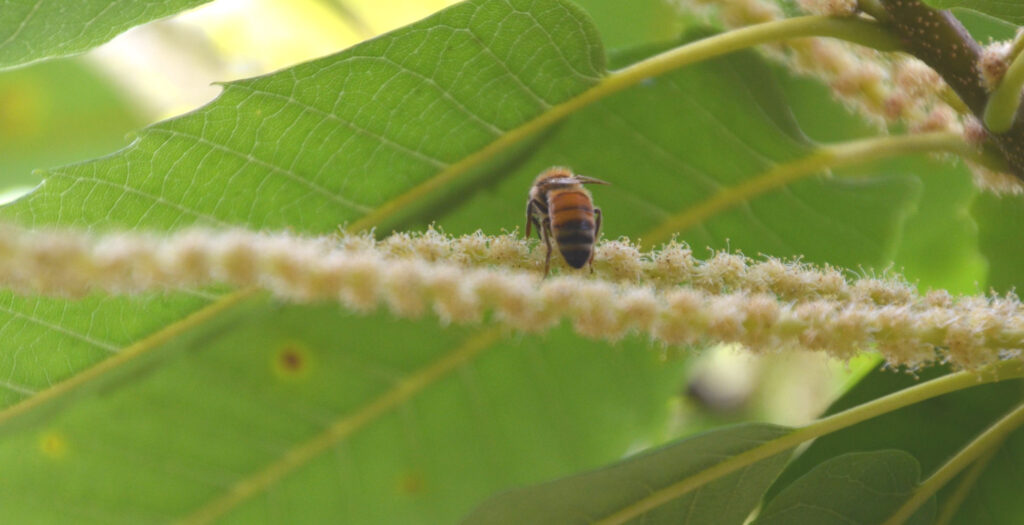
Many hives are present in the chestnut groves where bees can feed in extreme tranquility being a totally biological territory.
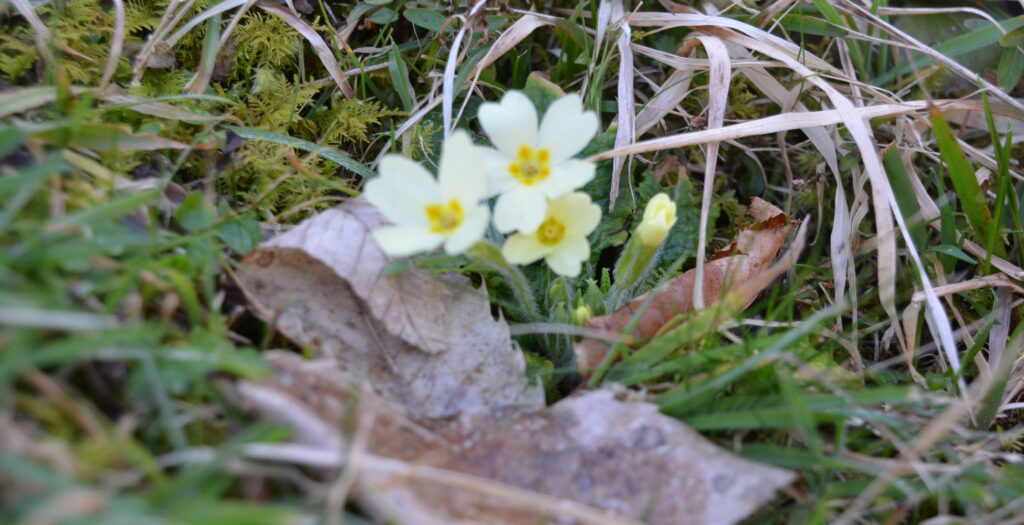
It is a pleasure to see them resting on the many colored flowers.
If you are lucky you can also see roe deer, sweet squirrels, woodpeckers, the footprints of wild boars and other animals, our chestnut groves offer support and shelter to the biodiversity of countless animal and plant species in the ecosystem.